
The Physical and Chemical Characteristics of Aluminium Metal
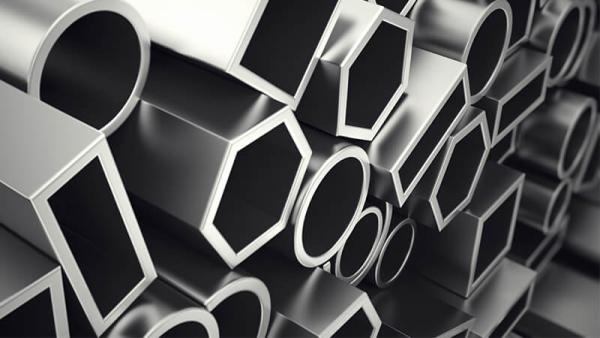
Aluminium is one of the most important and widely used metals in the modern world. From aircraft fuselages and vehicle body panels to architectural façades, electrical systems, food packaging, and household appliances, aluminium is present in countless products and industries that people rely on every day. Its popularity is not simply due to convenience or availability but rather because aluminium possesses a unique combination of physical and chemical characteristics that allow it to perform effectively across an enormous range of conditions and applications. What makes aluminium particularly remarkable is the way it balances several highly desirable properties at once. It is lightweight yet capable of delivering impressive structural performance. It is highly resistant to corrosion whilst still being easy to machine and fabricate. Plus, it is also conductive enough for electrical and thermal applications whilst remaining durable and recyclable. Few other engineering materials offer such a broad combination of advantages, which is why aluminium has become crucial in modern manufacturing, construction, transport, and product design.
Alongside its physical characteristics, aluminium also has several important chemical properties that directly influence how it behaves when exposed to air, moisture, heat, chemicals, and different environmental conditions. These reactions and behaviours play a huge role in determining where aluminium can be used, how long it will last, and how it must be processed or protected in certain applications. Understanding the physical and chemical characteristics of aluminium metal helps explain why it is so widely trusted across industries ranging from aerospace and automotive engineering to architecture, electronics, packaging, and renewable energy. By looking more closely at how aluminium behaves under different conditions, it becomes much easier to understand why this versatile metal continues to play such a vital role in modern industry and everyday life.
What Is Aluminium?
Aluminium is a chemical element with the symbol Al and atomic number 13. It is classified as a non-ferrous metal, meaning it contains little to no iron. This distinction is particularly important because it means aluminium does not rust in the same way that ferrous metals such as steel do. Although aluminium is one of the most abundant elements in the Earth’s crust, it is rarely found naturally in pure metallic form. Instead, it is extracted primarily from bauxite ore through a series of refining and smelting processes. Once processed, aluminium can be formed into a huge variety of products, including angles, channels, extrusions, bars, and structural profiles. Its widespread availability, combined with its impressive balance of properties, has made aluminium one of the most commercially valuable engineering materials in the world.
Lightweight Nature
One of aluminium’s best-known physical characteristics is its low density. Aluminium is significantly lighter than many other engineering metals, including steel, brass, and copper. Despite this lower weight, it is still capable of delivering excellent performance across a wide range of structural and industrial applications. This lightweight nature provides enormous practical benefits. In transportation industries such as automotive, aerospace, marine, and rail, reducing weight improves fuel efficiency, lowers emissions, increases payload capacity, and enhances overall performance. In construction, lighter materials reduce structural loading on buildings and foundations whilst simplifying transportation and installation on-site. Even in everyday consumer products, aluminium’s low weight contributes to ease of handling and usability. This balance between low mass and functional performance is one of the key reasons aluminium has become such a versatile material.
Strength and Strength-to-Weight Ratio
Pure aluminium is relatively soft compared to some structural metals, but the addition of alloying elements such as magnesium, silicon, copper, manganese, or zinc can significantly improve its mechanical properties. Different aluminium alloys are specifically engineered to provide different balances of strength, ductility, corrosion resistance, and ease of machining depending on the intended application. One of the most valuable engineering characteristics of aluminium is its excellent strength-to-weight ratio. This means aluminium can deliver substantial structural performance without the excessive mass associated with heavier materials like steel. In many applications, this allows engineers to create structures that are both strong and lightweight simultaneously. This property is especially important in aircraft structures, vehicle manufacturing, portable equipment, modular construction systems, and architectural frameworks where reducing weight is often just as important as maintaining strength.
Corrosion Resistance
Aluminium is also highly regarded for its outstanding corrosion resistance, particularly in outdoor and high-moisture environments. Unlike steel, aluminium does not rust in the traditional sense. Instead, when exposed to oxygen in the air, aluminium rapidly forms a thin oxide layer across its surface. This oxide layer acts as a natural protective barrier, shielding the metal beneath from further environmental attack. Even if the surface becomes scratched, the oxide layer can often reform naturally, continuing to protect the material. Because of this characteristic, aluminium performs extremely well in coastal regions, marine settings, industrial environments, and outdoor architectural applications where long-term exposure to moisture and pollutants is unavoidable. This resistance to corrosion also helps reduce maintenance requirements and extend product lifespan.
Thermal Conductivity
Another important physical property of aluminium is its excellent thermal conductivity. Aluminium transfers heat efficiently, making it highly suitable for applications involving heating, cooling, or thermal management. This is why aluminium is commonly used in radiators, heat exchangers, HVAC systems, cookware, LED heat sinks, refrigeration equipment, and electronic cooling systems. The material helps distribute and dissipate heat quickly, improving efficiency and helping prevent overheating. Its combination of thermal performance and lightweight properties makes aluminium especially valuable in energy-efficient systems and modern electronic technologies.
Electrical Conductivity
Aluminium is also an excellent conductor of electricity. Whilst copper generally offers slightly higher electrical conductivity, aluminium provides a much lighter alternative, making it highly practical for electrical infrastructure and power distribution systems. Overhead power transmission lines commonly use aluminium because its lower weight allows cables to span longer distances with reduced structural support requirements. Aluminium is also used in electrical busbars, conductor rails, transformers, and certain electronic components where conductivity and corrosion resistance are important. This balance of conductivity, low weight, and strength makes aluminium an extremely important material in modern electrical engineering.
Ductile and Workable Nature
Aluminium is highly workable and can be processed into an enormous variety of shapes and forms. Its ductility allows it to stretch and deform without fracturing, whilst it can also be easily shaped under pressure. Because of these properties, aluminium can be rolled into thin sheets and foil, drawn into wires, extruded into complex profiles, stamped into panels, or formed into intricate components through deep drawing and fabrication processes. This is one of the reasons aluminium is used so extensively across manufacturing industries requiring high-volume forming and shaping operations.
Reflective
Aluminium has very good reflective properties for both visible light and heat. Polished aluminium surfaces are capable of reflecting a large proportion of light and thermal radiation, making the material useful in reflective insulation systems, lighting equipment, solar applications, and decorative architectural finishes. Its reflectivity can help improve energy efficiency in insulation systems by reducing radiant heat transfer whilst also contributing to visually appealing finishes in modern design applications.
Non-Magnetic Behaviour
Unlike certain metals, aluminium is non-magnetic under normal conditions. This characteristic makes it highly suitable for environments where magnetic interference could affect performance or safety. As a result, aluminium is commonly used in electronics, medical equipment, electrical housings, transport systems, and sensitive industrial applications where magnetic properties must be carefully controlled.
Response to Chemicals
From a chemical perspective, aluminium is actually a reactive metal. However, its protective oxide layer prevents it from reacting aggressively under most everyday environmental conditions. When freshly exposed without oxide protection, aluminium reacts quickly with oxygen. It can also react with strong acids or alkalis under certain circumstances. However, in most natural environments, the oxide layer keeps aluminium stable and durable for long periods. This balance between reactivity and natural protection is one of the key reasons aluminium performs so effectively in outdoor and industrial environments.
Recyclable and Sustainable
One of aluminium’s most important modern advantages is how recyclable it is. Aluminium can be recycled repeatedly without losing its core properties, making it one of the most sustainable engineering materials available today. Recycling aluminium requires significantly less energy than producing primary aluminium from raw ore, helping reduce environmental impact and carbon emissions. Because aluminium products also tend to have long service lives and strong corrosion resistance, they contribute to lower waste generation over time. These sustainability benefits have made aluminium increasingly important in industries focused on reducing environmental impact and supporting circular manufacturing practices.
To Summarise
Aluminium’s widespread use across modern industry is the result of its remarkable combination of physical and chemical characteristics. Its lightweight nature, corrosion resistance, conductivity, workability, strength-to-weight ratio, and recyclability allow it to perform effectively across an enormous range of applications and environments. From transport systems and architectural structures to electrical infrastructure, packaging, and industrial manufacturing, aluminium continues to provide a versatile and dependable solution for modern engineering challenges. By understanding how aluminium behaves under different conditions, it becomes much easier to appreciate why this adaptable metal remains one of the world’s most valuable and widely used materials.
How We Can Supply Aluminium Solutions Across Multiple Industries
At Simmal, we work closely with customers across industries such as construction, engineering, transport, marine, manufacturing, architecture, and energy to help source aluminium products that meet specific technical and operational requirements. Through our extensive network of trusted, ISO-accredited suppliers, we can source and supply a wide range of aluminium solutions, including sheets, plates, bars, extrusions, structural profiles, and specialist products suited to everything from lightweight fabrication to demanding structural and corrosive environments.
Different projects require different aluminium characteristics, whether that involves corrosion resistance for outdoor installations, excellent conductivity for electrical applications, lightweight strength for transport systems, or superior machinability for precision engineering. With over 40 years of experience in the aluminium industry, we understand how alloy selection, temper, and profile design can influence long-term performance, fabrication efficiency, and durability. Our knowledgeable team works closely with customers to help source reliable aluminium materials tailored to the demands of each application, ensuring businesses across numerous sectors can access high-quality aluminium solutions designed for dependable long-term use. If you wish to speak to a member of our team and discuss your requirements, please email sales@simmal.co.uk or call 01772 324277. Alternatively, you can browse our website to discover the numerous profiles and alloys that we supply.