
Equal vs Unequal Ali L Profiles: What’s the Difference?
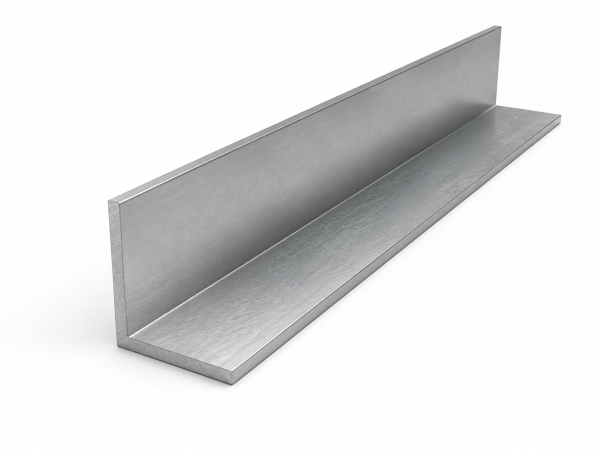
Aluminium angle profiles are among the most widely used structural and fabrication components across modern engineering, construction, manufacturing, and architectural industries. Also referred to as Ali L profiles, these versatile sections are valued for their combination of strength, low weight, corrosion resistance, and ease of fabrication. Whether used for structural reinforcement, framing systems, edging, support brackets, or architectural detailing, aluminium L profiles provide a practical and reliable solution across countless applications. However, not all aluminium angle profiles are the same, and one of the most important distinctions within this category is the difference between equal and unequal L profiles.
Whilst both share the same basic L-shaped geometry, the proportions of their sides significantly influence how they perform, how they distribute load, and where they are most commonly used. Choosing between equal and unequal aluminium angles is not simply a matter of appearance or preference, as the profile shape can directly affect structural efficiency, installation, and overall suitability for a project. In many applications, selecting the right aluminium L profile can improve strength, simplify fabrication, reduce weight, and enhance the overall finish of a structure or assembly. To understand which type is most appropriate, it’s important to explore the differences between equal and unequal aluminium angle profiles in more detail.
What Are Aluminium L Profiles?
Aluminium L profiles, also known as aluminium angle sections or angle extrusions, are profiles formed with two legs joined at a 90-degree angle to create an “L” shape. These profiles are manufactured through the aluminium extrusion process, where heated aluminium is forced through a die to create a continuous cross-sectional shape. The resulting profile offers excellent rigidity and support whilst remaining lightweight compared to materials such as steel. Because aluminium is naturally corrosion-resistant and relatively easy to machine, cut, drill, and weld, L profiles are commonly used in both structural and decorative applications. Aluminium angle profiles are available in a wide range of alloys, sizes, thicknesses, and finishes depending on the intended application, and two of the most common variations are equal angles and unequal angles.
What Is an Equal Aluminium L Profile?
An equal aluminium L profile features two legs of the same length. For example, a profile measuring 50mm x 50mm would be considered an equal angle because both sides share identical dimensions. This symmetrical design provides balanced load distribution and a uniform appearance, making equal angles particularly popular in applications where even structural support or visual consistency is important. Because both sides are equal, the profile performs predictably under load and can often be installed without concern for directional orientation. Equal aluminium angles are frequently used for structural bracing, framing systems, edge protection, shelving supports, trims, architectural detailing, and lightweight fabrication projects. Their balanced proportions also make them easier to work with in many standard fabrication and assembly processes.
What Is an Unequal Aluminium L Profile?
An unequal aluminium L profile features two legs of different lengths. For example, a 75mm x 50mm profile would be classified as an unequal angle because one side is longer than the other. This asymmetrical geometry allows the profile to handle specific loading or fixing requirements more efficiently in certain applications. The longer leg may provide additional mounting area, increased stiffness in one direction, or improved load distribution where forces are not evenly applied. Unequal aluminium angles are commonly used in situations where space constraints, structural demands, or connection requirements make a symmetrical profile less practical. They are particularly useful in support structures, framing systems, architectural installations, vehicle bodies, machinery fabrication, and applications requiring offset fixing points.
The Structural Differences Between Equal and Unequal Ali L Profiles
Whilst both equal and unequal aluminium angles provide strength and rigidity, the differences in geometry affect how each profile behaves under load. Equal angles distribute stress more evenly because of their symmetrical shape. This makes them highly versatile for general-purpose structural support and bracing where forces may be relatively balanced across the profile. Their uniform proportions also provide predictable bending and torsional characteristics, simplifying design and fabrication.
Unequal angles, however, are designed to provide greater strength or stiffness in one direction than the other. The longer leg creates an offset centre of gravity and changes the way loads are transferred through the profile. In some applications, this can improve structural efficiency by placing material exactly where it is needed most. Because of this directional advantage, unequal profiles are often selected when one side of the angle must carry greater stress, provide a larger fixing surface, or span a wider area.
Fabrication and Installation Considerations
Both equal and unequal ali L profiles are relatively straightforward to fabricate compared to heavier materials such as steel. Aluminium can be cut, drilled, machined, welded, and finished efficiently, making it highly suitable for custom fabrication projects. Equal angles are often easier to align and position during installation because their symmetry allows either leg to function similarly in many applications. This can simplify fabrication layouts and reduce installation complexity. Unequal angles may require more careful orientation during installation, but they can provide practical advantages where one side of the profile must accommodate larger fixings, wider panels, or specific structural connections. In confined spaces or bespoke fabrication work, this additional flexibility can be extremely valuable.
Weight and Material Efficiency
One of aluminium’s greatest advantages is its lightweight nature, and both equal and unequal ali L profiles benefit from this property. Compared to steel angles, aluminium profiles significantly reduce structural weight whilst still offering excellent strength-to-weight performance. Unequal angles can sometimes improve material efficiency further by concentrating more material in the areas where it is most needed structurally. This allows engineers and fabricators to optimise designs without unnecessarily increasing overall profile mass. In applications such as transport, modular construction, vehicle fabrication, and architectural systems, reducing weight can improve efficiency, simplify handling, and reduce overall structural loading.
Common Applications for Equal Aluminium Angles
Equal aluminium L profiles are widely used across construction, fabrication, engineering, and architectural projects because of their balanced shape and versatility. Their symmetrical design makes them particularly effective for applications where even support, straightforward installation, and a clean visual appearance are important. In construction and interior fit-outs, they are often used for framing systems, corner protection, shelving supports, partition structures, trims, and edge reinforcement. Their uniform dimensions also make them popular in modular fabrication systems where consistency and ease of alignment are essential during assembly.
Architectural applications frequently make use of equal aluminium angles for decorative detailing, façade edging, display systems, and lightweight support structures because the profile provides a neat and professional finish whilst remaining corrosion-resistant and easy to maintain. In workshops and manufacturing environments, they are commonly incorporated into machine guards, storage systems, brackets, and general fabrication work due to their ease of machining and reliable structural support. Their ability to combine strength, low weight, and visual symmetry makes equal aluminium angles one of the most commonly specified profile types across a broad range of industries.
Common Applications for Unequal Aluminium Angles
Unequal aluminium L profiles are typically used in applications where additional support, directional strength, or greater fixing flexibility is required. The differing leg lengths allow the profile to accommodate uneven loads more efficiently or provide a larger mounting surface on one side, making them especially valuable in structural and industrial fabrication work. They are commonly used in transport manufacturing, vehicle body construction, machinery supports, trailer systems, and equipment frames where structural demands may vary across different directions.
In architectural and construction settings, unequal aluminium angles are often incorporated into cladding support systems, façade structures, window framing details, and reinforcement sections where one side of the profile must support wider panels or accommodate more substantial fixings. Their asymmetrical shape can also make them useful in confined spaces or bespoke fabrication projects where standard equal angles may not provide the most practical fit. Because they retain aluminium’s lightweight and corrosion-resistant properties whilst offering additional structural flexibility, unequal aluminium angles are particularly well suited to projects requiring a more tailored or performance-focused solution.
Supplying Aluminium L Profiles for Structural and Fabrication Applications
At Simmal, we can source and supply a wide range of aluminium L profiles suitable for construction, engineering, fabrication, transport, and architectural applications. This includes both equal and unequal aluminium angles available in a variety of sizes, wall thicknesses, finishes, and alloys to suit different structural and fabrication requirements. Whether customers require lightweight support sections for architectural detailing, durable framing components for industrial systems, or corrosion-resistant profiles for outdoor environments, we work closely with businesses across numerous sectors to help provide aluminium solutions tailored to the needs of each project.
Through our trusted network of ISO-accredited extrusion partners, we’re able to source high-quality aluminium angle profiles designed for reliable long-term performance, excellent corrosion resistance, and efficient fabrication. We can also support projects requiring more specialised extrusion solutions, whether for bespoke structural assemblies, modular systems, transport applications, or precision-engineered components. Ali L profiles are available in alloys chosen for their balance of strength, machinability, and environmental strength, helping ensure suitability across both lightweight and demanding applications.
With over 40 years of experience in the aluminium industry, our knowledgeable team understands the importance of consistent quality, dependable lead times, and material suitability in modern manufacturing and construction projects. Whether the requirement involves standard stock profiles, cut-to-size material, or larger supply volumes for ongoing production, Simmal can help source aluminium angle sections that meet both technical and operational demands. Browse our website today to find out more about our capabilities, or contact us if you require any assistance.
End Note
Equal and unequal ali L profiles may share the same basic shape, but their differences in geometry make them suited to different structural and practical applications. Equal angles offer balanced support, simplicity, and visual symmetry, whilst unequal angles provide additional flexibility and directional performance where uneven loading or specialised fixing requirements exist. By understanding how each profile behaves and where its strengths lie, engineers, fabricators, and designers can make more informed choices when selecting aluminium angle sections for modern construction and manufacturing projects. Whether used for lightweight structural support, architectural detailing, or industrial fabrication, aluminium L profiles continue to provide a versatile and reliable solution across countless industries.