
Aluminium Chequer Plate vs Steel Tread Plate – Which One Is Better?
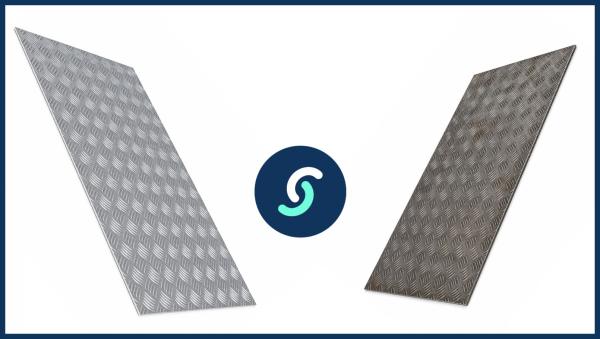
At Simmal, we know that when selecting materials for flooring, ramps, walkways, vehicle interiors, or industrial surfaces, strength and safety are usually top priorities. This is why both aluminium chequer plates and steel tread plates are commonly used across industries such as construction, transport, agriculture, manufacturing, and commercial fabrication. Their raised tread patterns are designed to improve grip underfoot whilst also adding strength and surface protection in demanding environments. However, whilst the two materials may look relatively similar on the surface, their long-term performance can differ significantly depending on where and how they are used. For many years, steel tread plates were viewed as the traditional heavy-duty solution because of their toughness and load-bearing capabilities. Yet as industries have increasingly focused on reducing maintenance costs, improving efficiency, and extending service life, aluminium chequer plates have become a far more attractive option. Thanks to their combination of low weight, corrosion resistance, ease of handling, and long-term strength, aluminium is now widely used in applications where steel was once the default choice.
The difference between the two materials becomes especially noticeable in environments exposed to moisture, road salt, chemicals, mud, or regular cleaning. In these conditions, the long-term impact of corrosion, weight, and maintenance can dramatically affect both performance and overall cost. Whether used in trailers, horseboxes, commercial vehicles, stairways, loading bays, or industrial platforms, choosing the right tread plate material can make a major difference to lifespan, performance, and efficiency. To understand which option is better suited to modern applications, it’s important to compare the aluminium chequer plate (also referred to as a chequer plate) and steel tread plate in more detail across several key areas.
Understanding Aluminium Chequer Plates and Steel Tread Plates
Both aluminium chequer plate and steel tread plates are designed in sheet format with raised surface patterns that improve grip and traction. The embossed pattern helps reduce slipping, particularly in environments exposed to water, mud, oil, or heavy foot traffic. In the UK, aluminium chequer plates are also commonly referred to as aluminium chequer plates or 5-bar tread plates. Whilst both materials serve similar functions, the base metal dramatically changes their overall performance. Steel tread plates are heavier and generally offer high impact resistance, but they are also vulnerable to corrosion if not properly protected. Aluminium chequer plates, by contrast, combine strength with low weight and excellent corrosion resistance, making them far more practical in many outdoor and transport-related applications. Over time, these differences become increasingly significant, particularly in environments where moisture, dirt, chemicals, or regular loading cycles are involved.
Key Comparisons
Weight
One of the clearest advantages of aluminium chequer plates is their lower weight. Aluminium weighs roughly one-third as much as steel, which can have a major impact on transportation, installation, and overall efficiency. In vehicle applications such as trailers, horseboxes, vans, and commercial transport, reducing weight directly improves fuel efficiency and payload capacity. Every kilogram saved in flooring, wall linings, or ramps allows for either increased carrying capacity or reduced fuel consumption during operation.
The lighter weight of aluminium also makes handling and installation easier. Large steel tread plates can be difficult to manoeuvre and may require additional lifting equipment during fitting, whereas aluminium panels are far easier to transport, position, and install. In applications such as loading ramps or removable flooring sections, this reduced weight can make a huge practical difference for everyday users.
Corrosion Resistance
One of the most important differences between aluminium chequer plates and steel tread plates is how they react to moisture and environmental exposure. Steel, unless galvanised or coated, is highly vulnerable to rust, and even protected steel surfaces can eventually corrode once coatings become damaged or worn. This is particularly problematic in environments exposed to rain, mud, road salt, animal waste, chemicals, or regular cleaning. Once corrosion begins, steel tread plates may require ongoing repairs, repainting, or replacement to maintain structural integrity and appearance.
Aluminium chequer plates perform very differently, however. Rather than rusting, aluminium naturally forms a thin oxide layer on its surface when exposed to air. This oxide layer protects the material beneath from further degradation, allowing aluminium to maintain its strength and appearance even in harsh conditions. For outdoor applications, transport systems, marine environments, and agricultural settings, this corrosion resistance provides a major long-term advantage. Aluminium can continue performing reliably for years with far lower maintenance demands than steel.
Strength and Everyday Performance
Steel is often associated with toughness due to its high density and impact resistance, and in certain heavy industrial environments, it can certainly provide excellent performance in this regard. However, strength is not simply about resisting force, as it also involves how well a material survives long-term environmental exposure and repeated use.
Aluminium chequer plate offers excellent everyday performance in practical day-to-day applications. It resists corrosion, handles moisture effectively, and remains structurally stable over long periods. In many real-world environments, these qualities make aluminium more durable overall because it avoids the gradual deterioration caused by rust and corrosion that steel frequently experiences. Additionally, aluminium’s lighter weight reduces strain on supporting structures and moving components. In trailers and ramps, for example, lower overall mass can reduce wear on hinges, suspension systems, and lifting mechanisms.
Maintenance Requirements
Maintenance is another area where aluminium chequer plates have a clear advantage. Steel tread plates often require protective coatings, repainting, rust treatment, or corrosion inspections throughout their lifespan. Once rust develops, maintenance can quickly become expensive and time-consuming.
Aluminium chequer plates generally require far less upkeep. Their corrosion resistance eliminates many of the maintenance issues associated with steel, and cleaning is usually straightforward. In environments such as horseboxes, trailers, workshops, or industrial facilities, aluminium surfaces can often be cleaned simply with water or pressure washing. This reduced maintenance not only lowers costs over time but also minimises operational downtime.
Appearance and Surface Finish
Aluminium chequer plates also offer a cleaner and more modern appearance than steel in many applications. Its bright metallic finish and distinctive tread pattern are often chosen for both functional and visual reasons in commercial vehicles, architectural features, and interior fit-outs. Steel tread plates, particularly once exposed to corrosion or wear, can lose their visual appeal more quickly unless regularly maintained. Aluminium’s ability to retain its appearance over time makes it particularly attractive in visible installations where presentation matters.
Cost Considerations
At first glance, steel tread plates may appear to offer a lower upfront material cost compared to aluminium. However, material price alone rarely tells the full story. When factors such as maintenance, corrosion protection, fuel efficiency, installation labour, and lifespan are considered, aluminium chequer plates often prove to be the more economical long-term solution. Their lighter weight can reduce transport and operational costs, whilst the corrosion resistance helps avoid expensive repairs and replacements later on. For businesses looking at lifecycle value rather than just initial purchase price, aluminium frequently delivers greater overall cost efficiency.
Applications Where Aluminium Chequer Plates Excel
Thanks to a combination of corrosion resistance, lightweight performance, strength, and anti-slip properties, aluminium chequer plates are widely used across numerous industries and demanding environments. One of the most common applications is in transportation, where these plates are regularly used in trailers, horseboxes, vans, lorries, and commercial vehicle interiors for flooring, ramps, and wall linings. The low weight helps improve fuel efficiency and reduce strain on vehicles whilst still providing a strong and durable surface. In agricultural and equestrian settings, aluminium chequer plates perform particularly well because they can withstand constant exposure to moisture, mud, animal waste, and regular cleaning without rusting or rotting. The raised tread pattern also provides improved grip for both animals and handlers, making it ideal for horsebox ramps and flooring.
Industrial and commercial environments also benefit greatly from aluminium tread plates. Factories, warehouses, workshops, loading bays, and stairways often use them to create durable, slip-resistant surfaces capable of handling heavy foot traffic and demanding working conditions. In marine and coastal environments, aluminium’s natural resistance to saltwater corrosion makes it a far more practical long-term solution than untreated steel for applications such as boat decking, dock walkways, and offshore access platforms. The clean metallic finish has also made aluminium chequer plates increasingly popular in architectural and decorative applications, where they combine a modern industrial appearance with long-term strength and low maintenance requirements.
How Simmal Has Delivered Aluminium Chequer Plate Solutions for Horseboxes
At Simmal, we’ve helped deliver reliable aluminium chequer plate solutions for horsebox and trailer renovation projects where safety, strength, and long-term performance are absolutely essential. Our aluminium 5-bar treadplates have been widely used to replace traditional steel and timber flooring, wall linings, loading ramps, and protective panels in horseboxes exposed to demanding day-to-day conditions. Many customers approached us after experiencing ongoing issues with rusting steel surfaces, rotting wooden floors, slippery ramps, and rising maintenance costs, all of which can create serious safety concerns for both animals and handlers. Our aluminium tread plates provide a far more dependable long-term solution. Unlike steel, aluminium does not rust, and unlike timber, it will not absorb moisture or rot when exposed to mud, water, animal waste, or regular washdowns. The raised 5-bar tread pattern offers excellent anti-slip performance, helping improve grip and stability during loading and unloading, whilst the lightweight nature of aluminium helps reduce overall vehicle weight and makes ramps significantly easier to lift and operate, particularly for solo users.
We’ve also worked closely with horsebox renovators to provide tailored fabrication services, including cut-to-size treadplates, precision-machined fixing holes, folded edges, stair nosings, and ramp edging details designed to simplify installation and improve overall finish quality. By combining corrosion resistance, reduced maintenance requirements, lightweight strength, and a clean professional appearance, our aluminium chequer plate solutions have helped customers significantly improve the safety, lifespan, and practicality of their horseboxes and trailers over the long term. To find out more about how we have helped revitalise horseboxes and assisted a variety of other industries, view our case studies today. Alternatively, if you want to browse our aluminium profiles and services, browse our website.
Summary
Whilst both aluminium chequer plates and steel tread plates have their place in industrial and commercial applications, aluminium increasingly stands out as the more practical and efficient option for many modern environments. Its lighter weight, excellent corrosion resistance, lower maintenance demands, and long-term strength provide clear advantages over steel, particularly in outdoor, transport, and moisture-rich settings. Although steel may offer certain benefits in some extremely heavy-duty applications, aluminium chequer plates deliver a more balanced combination of performance, efficiency, and lifecycle value for the majority of real-world uses. As industries continue to prioritise performance, operational efficiency, and reduced maintenance costs, aluminium chequer plate is proving to be the smarter long-term choice.