
Wood vs Aluminium Trailer Flooring: Which One Lasts Longer?
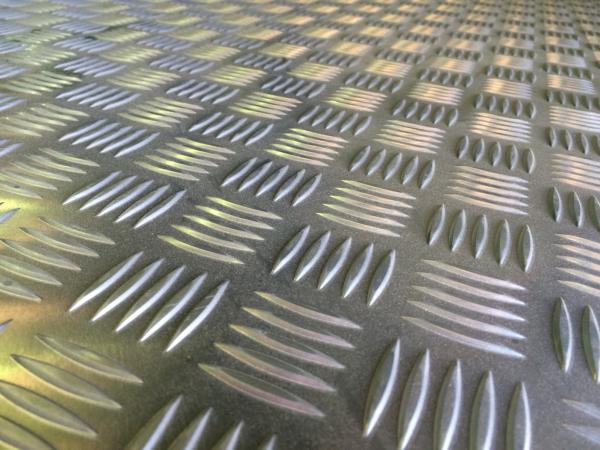
When investing in a trailer, most people focus on towing capacity, axle strength, and overall build quality, but at Simmal, we know the flooring is just as important, especially when you consider that it takes the full weight of your load every single day. Whether you’re transporting livestock, machinery, building materials, or vehicles, the flooring must withstand constant pressure, impact, moisture, and road vibration, and over time, these stresses can quickly expose the weaknesses of certain materials.
For years, wood has been the traditional choice for trailer flooring, largely because it’s affordable. However, aluminium trailer flooring has become an increasingly popular alternative, particularly in commercial and heavy-duty applications where a long-lasting and low-maintenance solution is required. This is largely due to qualities like water-resistance, lightness, and minimal maintenance demands, all of which are extremely important now due to strength, efficiency, and lifecycle costs becoming more important than ever to businesses. But just how well does aluminium trailer flooring perform, and does it last longer than its wooden counterpart? Let’s find out by comparing things such as weight, strength, long-term upkeep, and how each one deals with wet conditions.
Material Lifespan
When assessing how long each material lasts, aluminium holds a clear advantage. Wood, even when pressure-treated, remains a natural material. That means it reacts to its environment. It absorbs moisture, expands and contracts with temperature changes, and gradually breaks down under repeated exposure to water and organic matter. Over time, even high-quality hardwood boards can develop cracks, splits, or soft patches. These weaknesses may not be obvious at first, but they can reduce strength and can eventually lead to failure under load.
Aluminium behaves very differently. It doesn’t rot, absorb water, or suffer from fungal decay. Instead, when exposed to air, aluminium forms a thin oxide layer on its surface. Far from being a weakness, this oxide layer actually protects the metal beneath from further corrosion, meaning that aluminium trailer flooring can withstand decades of use with minimal structural deterioration. In high-use commercial trailers or agricultural settings where floors face daily stress, aluminium consistently demonstrates a far longer working life than wood.
Performance in Wet and Harsh Conditions
Trailers rarely operate in ideal environments, being used in fields, construction sites, farms, coastal regions, and industrial estates. Plus, they are also often left outdoors through rain, frost, and heatwaves. This makes moisture one of the biggest threats to trailer flooring, and it’s where the difference between wood and aluminium becomes especially apparent.
Wood absorbs water, and even treated timber has limits to its resistance. Once moisture penetrates the surface, internal decay can begin. Repeated wetting and drying cycles accelerate warping and splitting, and exposure to animal waste or cleaning chemicals can further degrade the material. Over time, boards may need replacing individually, increasing maintenance time and cost. Aluminium, on the other hand, does not absorb moisture at all, which makes aluminium trailer flooring particularly well suited to livestock trailers, boat trailers, and utility trailers that are frequently washed down or exposed to wet conditions. In environments where water is unavoidable, aluminium offers a level of resilience that wood simply can’t match.
Maintenance Demands and Long-Term Upkeep
One of the hidden costs of wood flooring is ongoing maintenance. Wooden boards require regular inspection to check for soft spots, rot, or cracking, and depending on use, they may need sealing, treating, or replacing. Fasteners can loosen as wood expands and contracts, and damaged boards often need to be removed and swapped out individually. For commercial operators, this means downtime, labour costs, and ongoing expense.
Aluminium flooring requires far less intervention. Routine cleaning and occasional inspection of fixings or welds are generally sufficient. There is no need for chemical treatments, sealing, or rot prevention. The reduced maintenance burden translates directly into improved operational efficiency, and for fleet owners, farmers, or contractors, less time spent repairing flooring can mean more time spent using the trailer productively.
Weight, Efficiency, and Towing Performance
Weight is another critical factor in trailer design, and aluminium is significantly lighter than most hardwood flooring options while still delivering excellent structural strength. This reduction in weight offers several practical benefits. A lighter trailer places less strain on the towing vehicle, improves fuel efficiency, and may allow for increased payload capacity within legal weight limits.
Wooden trailer flooring, particularly when constructed from dense hardwood planks designed to support heavy equipment, adds considerable weight. Over time, that extra mass contributes to increased fuel consumption and wear on axles, tyres, and suspension systems. For operators who travel long distances or tow frequently, aluminium’s weight advantage provides both economic and mechanical benefits.
Environmental Considerations
Sustainability is an increasingly important factor in material selection, and aluminium is fully recyclable and can be reprocessed repeatedly without losing its structural properties. Many aluminium products contain a significant proportion of recycled material, reducing environmental impact. Wood is a renewable resource, but treated timber used in trailer flooring often contains preservatives that complicate disposal and recycling. Furthermore, the shorter lifespan of wooden floors may result in more frequent replacements, increasing material consumption over time. From a lifecycle perspective, aluminium offers a more sustainable long-term solution.
Summary
When you consider real-world performance, aluminium clearly stands out as the longer-lasting and more practical choice for trailer flooring. Whilst wood may seem cost-effective at first, its vulnerability to moisture, rot, and ongoing maintenance means it often requires more attention and expense over time. Aluminium, by contrast, offers exceptional strength, resistance to harsh conditions, lighter overall weight, and significantly lower upkeep demands. For businesses who rely on their trailers daily, longevity and efficiency matter. Aluminium flooring not only withstands the pressures of heavy loads and challenging environments, but it also delivers stronger long-term value and improved sustainability. So, if you’re looking for a trailer floor that’s built to last, aluminium is a material that consistently proves its worth.
Supporting Strong Trailer Builds with Quality Aluminium
At Simmal, we’ve been supplying high-quality aluminium to the UK market for over 40 years, supporting manufacturers and fabricators across transport, engineering, agriculture, and industrial sectors. We understand that when it comes to trailer flooring, strength is essential. That’s why we offer a wide range of aluminium grades and profiles suitable for heavy-duty and high-performance applications, including aluminium that can be used in the manufacture of robust trailer flooring systems.
Our extensive stockholding allows us to supply aluminium in various sizes, thicknesses, and specifications, so you can get the right material for your design and load requirements. Whether you need strong structural sections, lightweight profiles to improve towing efficiency, or corrosion-resistant grades for wet and demanding environments, our knowledgeable team can guide you towards the most suitable solution. With reliable supply chains, quick turnaround times, and decades of industry expertise, we’re committed to helping you build trailers that are not only efficient but also long-lasting. Browse our website today to find out more about our aluminium, or get in touch with a member of our team by calling 01772 324277.