
Ali Stucco Sheet vs Plain Aluminium Sheet: Which One is Right For You?
When choosing a metal sheet for construction, fabrication, or even interior design, aluminium is one material that stands out. It’s lightweight, corrosion-resistant, easy to machine, and highly recyclable. But when it comes to sheet finishes, you may be faced with a choice between an ali stucco sheet or a plain aluminium sheet. Although both are made from the same base metal, the difference in appearance, function, and performance can make one type better suited to your project than the other, and whether you’re building a cold room or cladding a wall, choosing the right finish can affect not only appearance but also cost, efficiency, and lifespan. Let’s explore plain and stucco aluminium sheets in more detail and compare their properties so you have a better idea of which one is right for you.
What Is a Plain Aluminium Sheet?
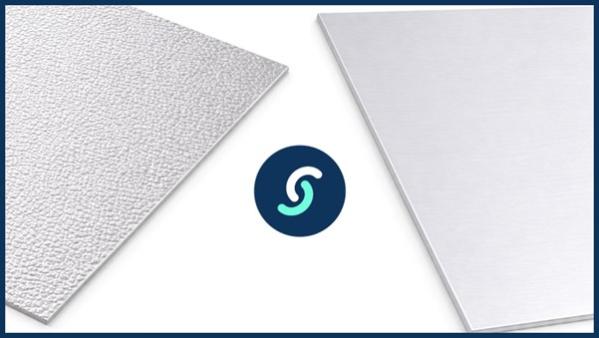
A plain aluminium sheet refers to flat sheet aluminium in its raw, rolled form. It has no decorative texture, coating, or embossing, and instead features a smooth, matte or slightly reflective surface, depending on how it was processed. Because there’s no additional processing like embossing or pattern rolling, a plain aluminium sheet retains the full surface of the alloy, making it a great choice for applications that demand tight tolerances, high precision, or clean finishes. It’s often selected when the sheet will be further anodised, powder-coated, polished, or laser-cut.
Key Traits:
- Flat, smooth surface.
- Clean appearance.
- Easy to form and machine.
- Good base for surface finishing.
- Available in many grades.
What Is a Stucco Aluminium Sheet?
A stucco aluminium sheet is created by running a plain sheet through specially patterned rollers that leave behind a uniform, dimpled texture. This raised pattern resembles stucco plaster and gives the metal a rougher and less reflective finish. The embossed texture isn’t just for a different appearance as it can also make the sheet more rigid, as well as help hide scratches and dents. It can also reduce the reflection of harsh light, and all these benefits allow it to perform very well in industrial environments.
Key Traits:
- Embossed surface.
- Hides damage, dirt, and fingerprints.
- Slightly more rigid than plain sheet (especially in thinner gauges).
- Common in industrial, transport, and HVAC settings.
Comparing Ali Stucco and Plain Sheets
Appearance
Plain aluminium sheets have a clean and modern look, and because of this, they’re often used in architectural projects, signage, retail displays, or high-end panel work where appearance matters. Plain sheets can also accommodate anodising or powder coating, offering a uniform surface for colours and protective finishes. By contrast, stucco aluminium has a more rugged appearance. Whilst not unattractive, it’s not typically chosen for decorative projects. Instead, it’s valued for its ability to hide marks and reduce glare, making it ideal for commercial kitchens, service areas, industrial walls, or transport interiors.
Strength
Both plain and stucco aluminium sheets offer excellent corrosion resistance, especially in marine or outdoor environments due to the natural oxide layer that forms on the outer surface. However, stucco sheets hold a small edge in day-to-day wear resistance. Its patterned surface can help hide minor dents, abrasions, and scuff marks, especially in high-traffic or rough-handling environments like vehicle interiors, toolboxes, or cladding in mechanical rooms. It’s also slightly stiffer in thin gauges due to the work-hardening caused by embossing, making it a little more impact-resistant.
Workable Nature and Fabrication
When it comes to cutting, drilling, folding, welding, or machining, plain aluminium sheets are generally easier to work with. The smooth, flat surface can mean fewer variables during manufacturing, tighter tolerances, and cleaner results, especially when working with CNC machinery or requiring precise folds. Stucco sheets can still be fabricated, however, but the embossed surface may introduce some limitations due to the uneven surface and less smooth texture.
Thermal and Reflective Performance
In some applications, especially in HVAC systems, ducting, and insulation, stucco sheets can outperform plain sheets due to the increased surface area. The embossed texture allows for better heat dissipation and slightly more surface grip for insulation jackets or cladding panels. Plain aluminium, being smoother, is preferred where thermal conductivity must be uniform or where it forms part of a precision component like a heat exchanger or conduction plate. Stucco’s dull finish also reduces glare, which is an important consideration in well-lit workspaces or outdoor areas where reflected sunlight could pose concerns.
Need Quality Aluminium Sheets or Help Deciding Which Type Is Best?
At Simmal, we supply both plain and stucco aluminium sheets to suit everything from architectural finishes to industrial linings. So, no matter which option is right for you, we’re here to help. With over 40 years of experience in the aluminium industry, we understand the demands of different industries, from fabrication and construction to manufacturing and transport. No matter if you need sheets cut to size, precision machined, or supplied in bulk, we can make sure that you get exactly what your project needs. Browse our website today to find out more about our reliable aluminium solutions, or speak to a member of our team for expert advice and guidance.
Final Thoughts
Choosing between stucco and plain aluminium sheets ultimately depends on what your project demands most, whether that’s appearance or performance. Stucco aluminium sheets offer a slightly more rigid option with reduced glare and the ability to hide surface wear, making them ideal for industrial, transport, or utility settings. On the other hand, plain aluminium sheets provide a clean, uniform surface that’s easy to machine for decorative or high-precision applications. Whilst both types share aluminium’s core benefits, like corrosion resistance, lightness, and it’s versatile nature, the right choice comes down to how you plan to use the material and what characteristics matter most in your environment. By understanding the differences, you can make a more informed decision so that your aluminium sheets are able to perform as expected.